25+ Illustration Styles for a Children's Book: How to Choose the One
An illustration style is the book's voice. How to hear it and pick the one that fits your story and your reader's age.
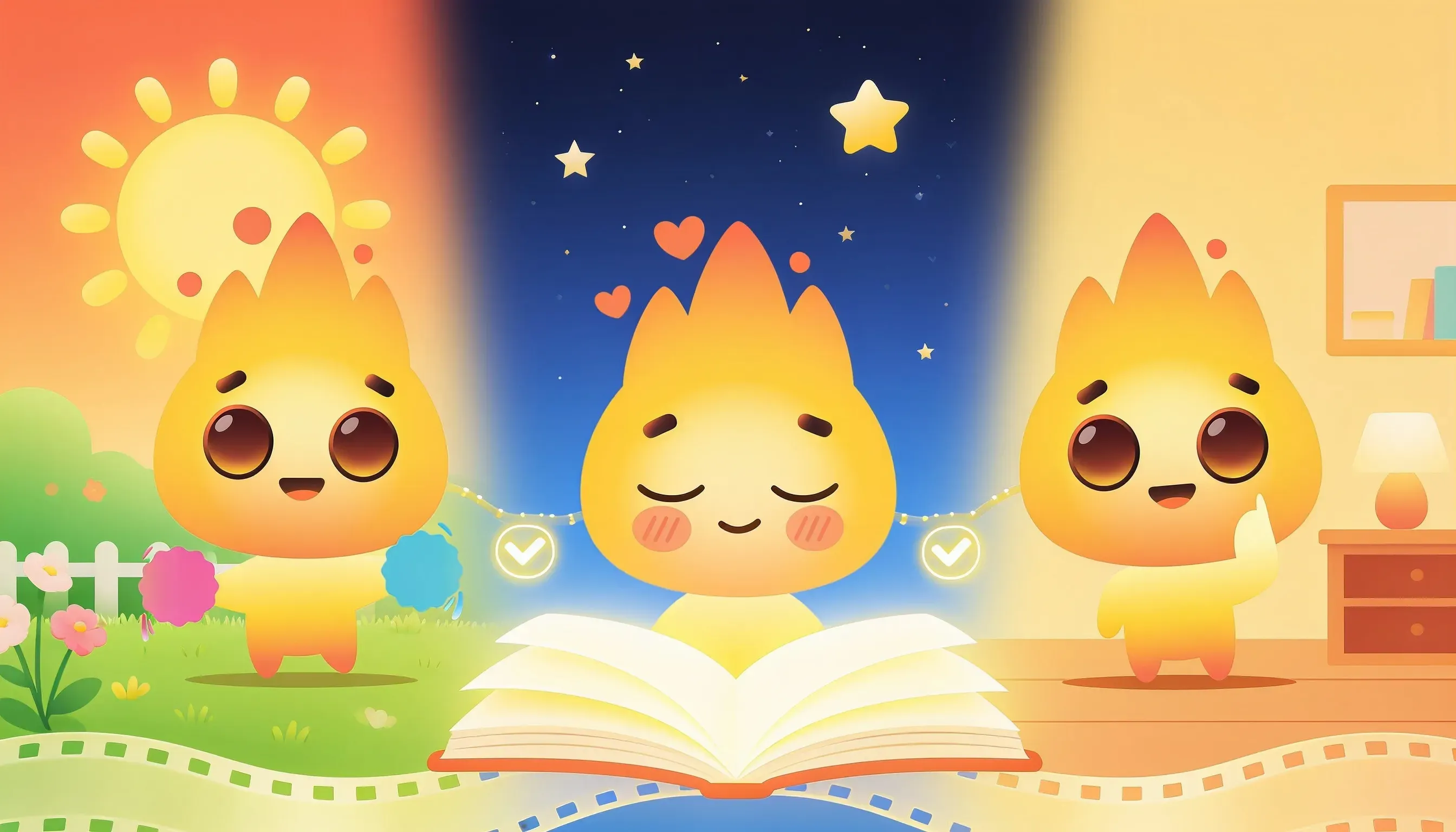
An illustration style isn't the story's clothing. It's its voice. The same fairy tale whispers in watercolor, rings out in anime, laughs out loud in clay. Before you choose a style, ask yourself: what voice should your book speak in?
About thirty styles is a lot. Enough to get lost. So let's not list them out, but listen — to the mood hiding behind each one.
Quiet voices — for the tender and the sleepy
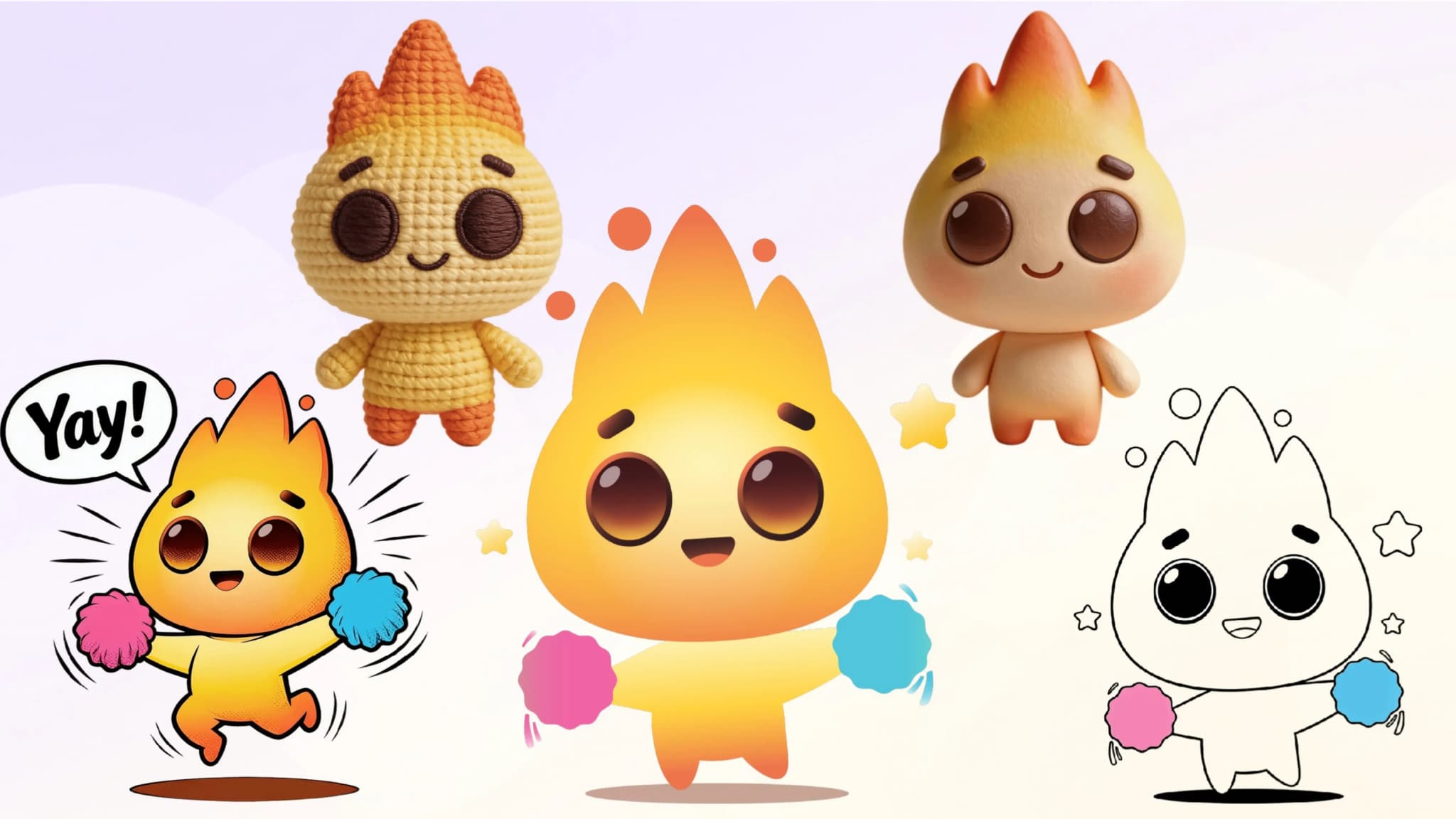
- Watercolor. Soft edges, light through water, everything a touch unreal. The voice of a lullaby. Perfect for bedtime books and stories about home, warmth, mom.
- Knitted 3D and clay figures. Soft, tangible, as if you could touch them. A world where nothing is ever truly scary. For the very youngest.
Ringing voices — for adventure and laughter
- Cute anime and fantasy anime. Big eyes, bright emotions, motion. The voice that calls you off into a chase, a flight, a battle with a kindly dragon. For the restless and the dreamers.
- Cartoon and vivid. Clean colors, crisp lines, fun with no half-tones. For funny stories devoured in one sitting.
Deep voices — for the older ones
- Artbook and painterly styles. Rich, textured, almost grown-up. For chapter books, fantasy, stories with a real world and real stakes. For readers who've already outgrown "too childish."
And eleven more voices — from cozy to fantastical — wait in the gallery. Each with its own intonation. Each turns the very same text into a slightly different book.
Three questions that point to the choice
How old is the reader — the younger, the softer and simpler. When the book is read — bedtime calls for quiet styles, daytime play suits the ringing ones. What do you want the child to feel — calm, delight, courage, curiosity. Answer these three, and out of seventeen, one or two remain. The one.
And the best way to hear a style's voice is to let it say a few words. Take one of your scenes and view it in three different styles. The story is the same. But it sounds — different. And you'll know at once which voice is yours.
Create your first book for free → anytale.ai
Share this article
Need help? Have a question? Chat with our team — we're happy to help.